









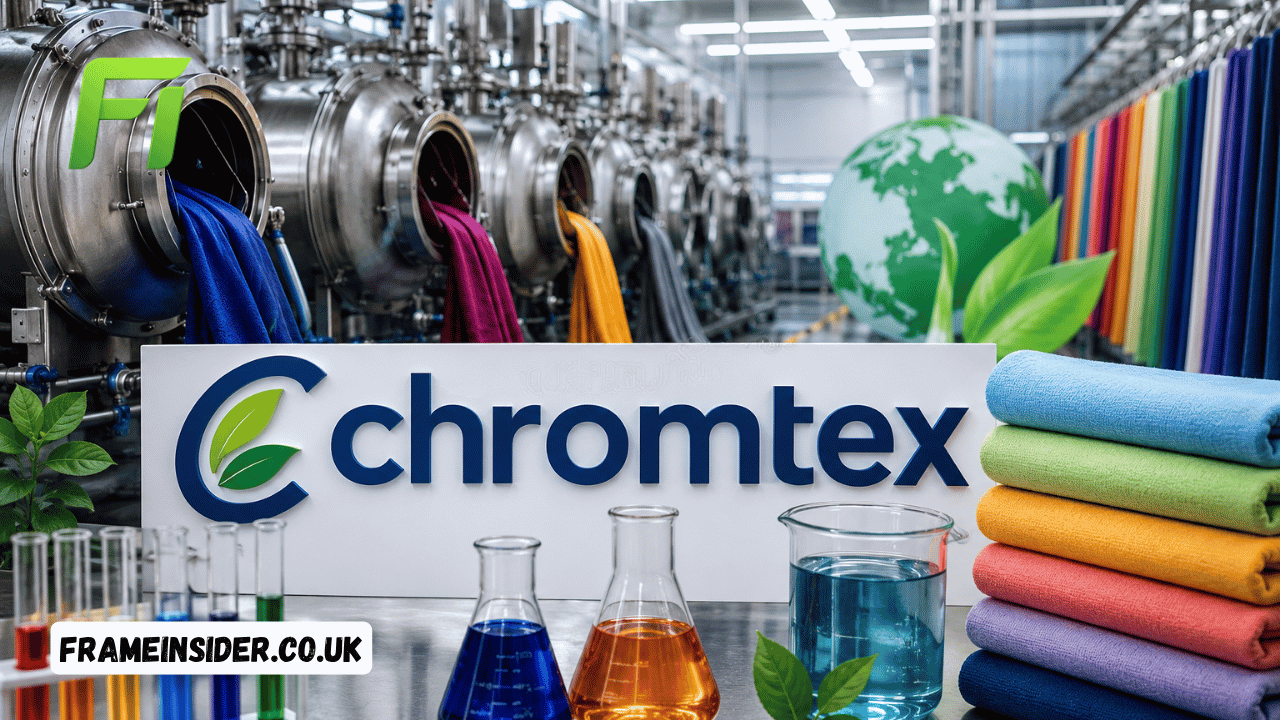
The textile industry has changed rapidly over the last decade as manufacturers search for better ways to improve fabric quality, reduce waste, and lower production costs. Modern textile processing now depends heavily on chemical solutions that help fabrics perform better during dyeing, finishing, and treatment stages. In this changing market, chromtex has become a topic connected with textile chemicals, fabric processing solutions, and sustainable manufacturing practices. Many textile businesses are now focusing on efficient chemical technologies to meet growing customer demand and international quality standards. As sustainability becomes a major concern in global fashion and textile production, chromtex continues to gain attention in discussions related to textile innovation and eco-friendly processing.
Understanding the Role of Chromtex in Textile Manufacturing
Chromtex is associated with textile chemical solutions used in different stages of fabric production and treatment. These chemical applications help textile manufacturers improve fabric appearance, durability, texture, and dye performance during industrial processing. Textile mills often rely on advanced chemical support because untreated fabrics may not achieve the required softness, strength, or color consistency demanded by modern buyers. The growing use of chromtex in textile operations reflects the industry’s move toward more controlled and efficient production systems. Manufacturers also value these solutions because they help reduce production errors and improve overall processing speed.
The textile sector involves several important production stages before fabric reaches consumers. Raw fibers and unfinished fabrics need proper chemical treatment to prepare them for coloring and finishing. Chromtex is often linked with these industrial procedures that support smooth fabric preparation and enhance manufacturing efficiency. Large-scale textile operations require reliable chemical systems to maintain consistency across thousands of meters of fabric every day. This has increased the importance of specialized textile processing chemicals in competitive markets.
How Textile Auxiliary Chemicals Support Fabric Quality
Textile auxiliary chemicals play a major role in improving the overall quality of fabrics during manufacturing. These chemicals are designed to assist fabrics during washing, bleaching, dyeing, and finishing processes without damaging the material. Chromtex is often discussed alongside textile auxiliaries because these solutions help manufacturers maintain production quality and reduce waste during processing. Proper chemical balance is necessary to ensure fabrics absorb dyes evenly and maintain their structure after treatment. Without effective auxiliary chemicals, textile manufacturers may face issues such as uneven coloring, poor softness, and reduced fabric durability.
Some common functions of textile auxiliary chemicals include:
- Improving dye penetration into fabrics
- Increasing softness and smoothness
- Enhancing color consistency
- Reducing fabric damage during treatment
- Supporting wrinkle resistance
- Improving wash durability
These functions directly influence the final appearance and performance of garments and home textile products. Modern consumers expect fabrics to feel comfortable while also maintaining long-term durability after repeated washing. Textile companies use advanced chemical solutions to meet these expectations while keeping production costs under control. The increasing demand for quality fabrics has strengthened the market relevance of chromtex in textile processing discussions.
The Importance of Pretreatment Chemicals in Textile Processing
Pretreatment is one of the most important stages in textile manufacturing because it prepares fabric for successful dyeing and finishing. Raw fabrics often contain oils, waxes, dirt, and natural impurities that can interfere with color absorption. Chromtex is connected with pretreatment chemical solutions that help clean fabrics and improve absorbency before dyeing begins. Proper pretreatment ensures that dyes spread evenly across the fabric surface instead of creating patches or inconsistent shades. Textile manufacturers rely on this process to avoid production defects and maintain product quality.
Pretreatment chemicals are commonly used for:
- Fabric cleaning and scouring
- Bleaching unwanted impurities
- Improving water absorbency
- Preparing fibers for dye fixation
- Enhancing dye penetration
Efficient pretreatment also reduces chemical waste during later processing stages because fabrics become more responsive to dyes and finishing agents. Manufacturers that skip proper pretreatment often experience production losses and lower fabric quality. The textile industry continues to invest in better chemical systems because high-quality pretreatment can improve both productivity and customer satisfaction. Chromtex remains relevant in these discussions because textile businesses constantly seek reliable processing solutions that support efficient production.
Dyeing Auxiliaries and Their Impact on Color Consistency
Color quality is one of the most important factors in textile manufacturing because customers expect fabrics to maintain an attractive and consistent appearance. Dyeing auxiliaries help improve the interaction between dyes and textile fibers during industrial processing. Chromtex is often associated with dyeing support chemicals that help fabrics absorb colors more evenly and maintain long-lasting shades after washing. These chemical solutions are especially useful in large-scale textile production where consistency is necessary across thousands of garments or fabric rolls. Even minor color variations can create serious problems for textile exporters and fashion manufacturers.
Dyeing auxiliaries support the production process in several ways:
- Improving dye fixation
- Reducing uneven coloring
- Supporting faster dye absorption
- Lowering dye wastage
- Enhancing wash resistance
- Maintaining shade consistency
Textile manufacturers also use dyeing auxiliaries to improve efficiency and reduce water consumption during processing. Modern textile operations face pressure to lower environmental impact while still producing high-quality fabrics at competitive prices. Better chemical technologies help companies balance these demands without sacrificing production standards. Chromtex has become part of conversations around efficient dyeing systems because textile companies continue searching for better industrial processing methods.
Textile Finishing and Fabric Performance Enhancement
Textile finishing is the final stage that gives fabrics their desired feel, texture, and performance characteristics before reaching the market. Finishing chemicals help manufacturers improve softness, wrinkle resistance, water repellency, and fabric smoothness. Chromtex is commonly linked with textile finishing applications because these treatments directly influence customer satisfaction and garment performance. Fabrics that undergo proper finishing often feel more comfortable and maintain their appearance for a longer time after repeated use. This stage is especially important in fashion apparel, sportswear, and home textile production.
Finishing treatments can provide several improvements, including:
- Softer fabric texture
- Better wrinkle resistance
- Enhanced durability
- Improved moisture control
- Smoother fabric surfaces
- Increased comfort for users
Many textile companies now focus on developing finishing solutions that deliver better performance while using fewer harmful chemicals. This shift reflects growing awareness about environmental concerns and workplace safety within the textile sector. Consumers are also becoming more conscious about the sustainability of clothing and fabric products they purchase. As a result, chromtex continues to be discussed in relation to modern finishing technologies and eco-conscious textile manufacturing.
Sustainability and Eco-Friendly Textile Manufacturing
Sustainability has become one of the biggest priorities in the global textile industry because fabric production can consume large amounts of water, energy, and chemicals. Textile companies are now investing in cleaner processing methods that reduce pollution and improve environmental responsibility. Chromtex is increasingly connected with sustainable textile processing because modern chemical systems aim to reduce waste while improving manufacturing efficiency. Eco-friendly processing methods also help manufacturers meet international environmental standards and export requirements. Many businesses understand that sustainability is no longer optional in global textile markets.
Several sustainability goals now shape textile production strategies:
- Reducing water consumption
- Lowering chemical waste
- Improving energy efficiency
- Using safer chemical formulations
- Supporting recyclable textile production
- Meeting environmental compliance standards
The push for sustainability has encouraged textile companies to modernize outdated manufacturing systems and adopt cleaner production technologies. Eco-friendly textile chemicals can help factories reduce operational waste without lowering fabric quality. Consumers are also paying closer attention to how clothing and fabrics are produced, which increases pressure on manufacturers to improve environmental practices. Chromtex remains relevant in these industry discussions because sustainability continues to influence textile innovation and production strategies worldwide.
The Growing Demand for Advanced Textile Processing Solutions
Global demand for better fabrics has created strong competition among textile manufacturers across different countries. Companies now need advanced processing technologies to improve efficiency, reduce costs, and maintain high production standards. Chromtex has gained attention because textile businesses are increasingly searching for solutions that support faster production and better fabric performance. Industrial textile operations cannot rely on outdated methods if they want to compete in international markets. Modern processing systems allow manufacturers to produce fabrics with improved consistency and reduced production errors.
Several market trends are driving the demand for advanced textile chemicals:
- Rising demand for premium fabrics
- Growth in sportswear manufacturing
- Increased textile exports
- Consumer interest in sustainable products
- Expansion of fashion manufacturing
- Need for cost-efficient production methods
Textile companies that adopt modern chemical technologies often achieve better production efficiency and stronger market competitiveness. These improvements help manufacturers respond quickly to changing fashion trends and customer expectations. The growing role of technical textiles and performance fabrics has also increased the need for specialized chemical support during processing. Chromtex continues to appear in discussions related to industrial textile growth and modern manufacturing improvements.
Future Trends in Textile Chemicals and Fabric Processing
The textile industry is expected to continue evolving as manufacturers adopt smarter and cleaner production systems. Automation, digital monitoring, and environmentally safer chemicals are becoming important parts of modern textile operations. Chromtex is likely to remain connected with these industry developments because textile companies continue investing in improved chemical technologies. Future processing systems may focus more heavily on reducing environmental impact while increasing production speed and fabric quality. Innovation will continue shaping how fabrics are treated, dyed, and finished in industrial manufacturing.
Several future trends are expected to influence textile processing:
- Smart chemical monitoring systems
- Water-saving dyeing technologies
- Biodegradable textile chemicals
- Automated production management
- Sustainable fabric treatment methods
- High-performance textile finishing
These developments may help textile manufacturers improve profitability while reducing environmental pressure from industrial production. Businesses that adapt quickly to these changes will likely remain more competitive in global markets. The textile sector continues to evolve because consumers, governments, and international buyers now demand better environmental and quality standards. Chromtex remains part of the broader conversation around modern textile processing and industrial innovation.
Conclusion
Chromtex has become closely associated with textile chemical solutions, fabric processing technologies, and sustainable manufacturing practices within the textile industry. From pretreatment and dyeing to finishing and environmental responsibility, textile chemicals now play an essential role in producing high-quality fabrics for global markets. Modern manufacturers rely on efficient processing systems to improve fabric durability, color consistency, and overall production performance. Sustainability has also become a major factor influencing how textile companies choose chemical solutions and production methods. As textile manufacturing continues evolving, chromtex remains connected with discussions about innovation, efficiency, and the future of eco-friendly fabric processing.
FAQs
1. What is chromtex in the textile industry?
Chromtex is commonly associated with textile chemical solutions used in fabric pretreatment, dyeing, finishing, and sustainable textile processing.
2. Why are textile auxiliary chemicals important?
Textile auxiliary chemicals help improve dye absorption, fabric softness, durability, and production efficiency during textile manufacturing.
3. How do pretreatment chemicals improve fabric quality?
Pretreatment chemicals remove impurities from raw fabrics and improve absorbency, allowing dyes to spread evenly during processing.
4. What role do dyeing auxiliaries play in textile manufacturing?
Dyeing auxiliaries help maintain color consistency, reduce dye wastage, and improve fabric wash resistance during industrial dyeing.
5. Why is sustainable textile processing becoming important?
Sustainable textile processing helps reduce water usage, chemical waste, and environmental pollution while supporting safer manufacturing practices.