








Pravi celer has started gaining attention among food lovers, wellness readers, and people interested in natural nutrition. The phrase is connected with traditional celery and celeriac used in Eastern European and Balkan cooking. Many people search for pravi celer because they want to understand its meaning, health benefits, and the different ways it can be added to meals. Unlike trendy foods that disappear quickly, pravi celer has deep roots in traditional diets and home cooking. Its growing popularity comes from the combination of nutrition, versatility, and natural flavor that works well in modern healthy eating habits.
Understanding the Meaning of Pravi Celer
The term pravi celer comes from Balkan languages where “pravi” means real or authentic, while “celer” refers to celery. Together, the phrase points toward authentic celery or true celery commonly used in traditional households. In some regions, people also connect pravi celer with celeriac, which is the root version of celery. Both forms are widely used in soups, salads, and homemade remedies because of their strong nutritional value. This traditional connection is one reason why pravi celer has become an interesting topic for food and wellness blogs.
Many people outside Eastern Europe are unfamiliar with the term, but they already know the vegetable itself. Pravi celer has existed in kitchens for generations and was often included in homemade meals because it was affordable and easy to grow. Families commonly used every part of the plant, including the leaves, stalks, and root. This practical use helped reduce food waste while also improving the flavor of dishes. Today, modern food trends are rediscovering the same ingredients that traditional cultures valued long ago.
The Difference Between Pravi Celer and Regular Celery
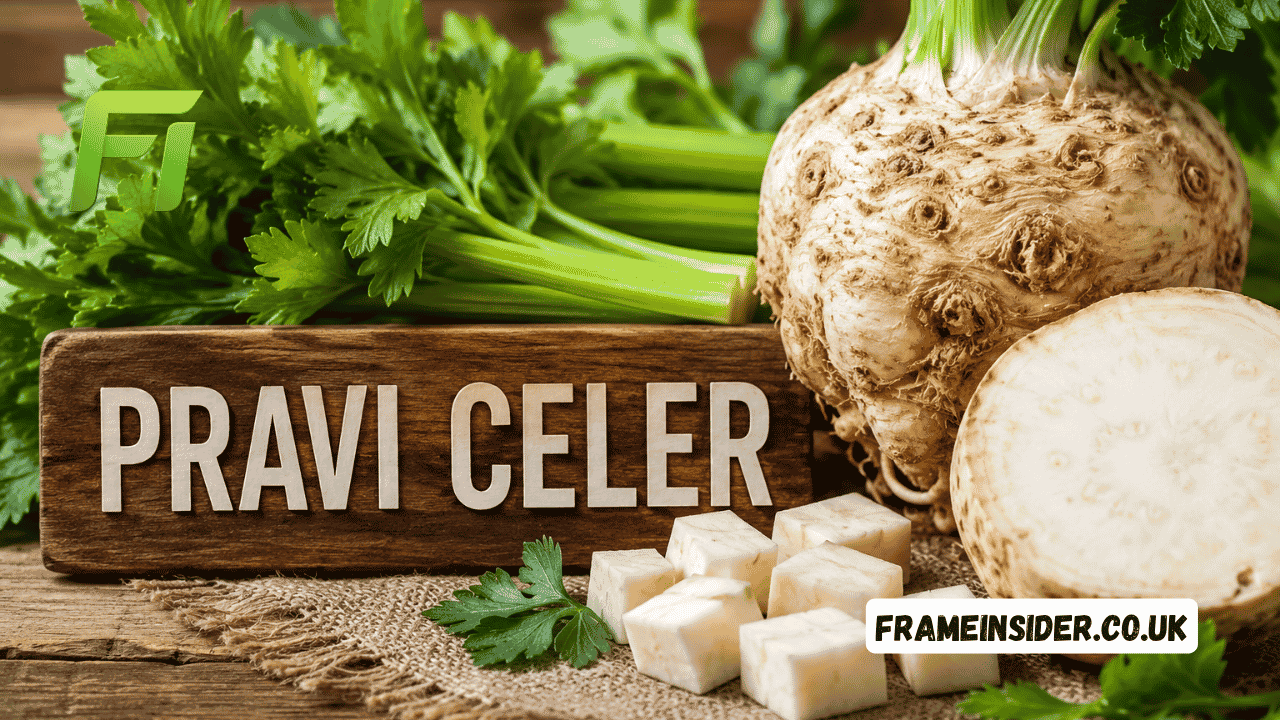
One reason people search for pravi celer is confusion about whether it is different from regular celery. In most cases, pravi celer refers to traditional celery varieties or celeriac used in Balkan cooking. Regular celery usually focuses on the crunchy green stalks found in supermarkets. Pravi celer often includes the root portion, which has a denser texture and earthy flavor. This makes it useful for soups, roasting, and mashed vegetable dishes.
The flavor profile is another major difference. Standard celery has a lighter and more refreshing taste, while pravi celer root carries a deeper and nuttier flavor. The root also becomes softer after cooking and absorbs seasonings very well. Because of this, many traditional recipes prefer pravi celer for winter meals and slow-cooked dishes. Its texture and flavor create a richer cooking experience compared to ordinary celery stalks alone.
Here are some common differences people notice:
- Regular celery is mainly eaten raw or in salads
- Pravi celer is often cooked in soups and traditional dishes
- Pravi celer root has a thicker texture
- Regular celery tastes lighter and fresher
- Pravi celer works well in warm comfort foods
Nutritional Value Found in Pravi Celer
Pravi celer contains important nutrients that support overall health and balanced eating habits. It is low in calories but rich in fiber, vitamins, minerals, and water content. Many nutrition-focused blogs mention that celery-based foods can help people feel full without adding excessive calories to meals. This makes pravi celer a practical ingredient for healthy diets and meal planning. The vegetable also contains natural antioxidants that support the body in different ways.
Vitamin K is one of the key nutrients found in pravi celer, and it plays a role in bone health and blood function. The vegetable also provides vitamin C, which supports the immune system and helps the body fight oxidative stress. Potassium is another important mineral present in pravi celer, helping maintain healthy muscle and nerve function. Fiber content supports digestion and contributes to better gut health over time. These nutritional qualities are one reason the vegetable continues to appear in modern wellness discussions.
Some of the nutrients commonly associated with pravi celer include:
- Vitamin K
- Vitamin C
- Potassium
- Dietary fiber
- Antioxidants
- High water content
Health Benefits Associated With Pravi Celer
Many people include pravi celer in their meals because of its potential health benefits. One commonly discussed advantage is digestive support. The fiber found in the vegetable may help improve bowel regularity and support smoother digestion. Since pravi celer also contains a large amount of water, it may contribute to hydration throughout the day. This combination makes it a practical addition to balanced eating habits.
Another major reason people are interested in pravi celer is its connection with heart health. Potassium found in celery-based vegetables may help support healthy blood pressure levels. Some natural compounds inside celery are also linked with relaxing blood vessels and improving circulation. Although it should never replace medical treatment, adding nutrient-rich vegetables like pravi celer to meals can support healthier lifestyle choices. Many traditional diets valued these foods long before modern wellness trends became popular.
Weight management is another area where pravi celer receives attention. Because it is low in calories and high in fiber, it can help people feel satisfied without overeating. This makes it useful for soups, side dishes, and healthy snacks. Unlike processed foods that contain excessive sugar or unhealthy fats, pravi celer offers a lighter option for daily meals. Its versatility allows people to enjoy it in different ways without becoming repetitive.
Traditional Uses of Pravi Celer in Balkan Cooking
Pravi celer has long been a staple ingredient in Balkan kitchens and family recipes. Traditional cooks often used the vegetable to build flavor in soups, stews, and meat dishes. The root was commonly chopped into broths because it added richness and depth to homemade meals. In colder seasons, families prepared roasted or mashed pravi celer dishes that provided warmth and comfort. These recipes became part of everyday life across many households.
Another reason pravi celer remained popular was its flexibility in cooking. People could use the stalks for salads while saving the root for cooked meals. The leaves were often added to soups for extra flavor instead of being thrown away. This practical approach helped families maximize ingredients during difficult economic periods. Today, many food enthusiasts are rediscovering these traditional cooking methods and appreciating their simplicity.
Popular traditional uses include:
- Homemade vegetable soup
- Roasted root dishes
- Meat stews
- Fresh salads
- Herbal-style juices
- Winter comfort meals
How to Add Pravi Celer to Daily Meals
Adding pravi celer to meals is simple because the vegetable works well in many cooking styles. Some people prefer eating the stalks raw with dips or salads, while others enjoy cooking the root in warm dishes. Roasting pravi celer with olive oil and herbs creates a rich flavor that pairs well with meat or rice dishes. Soup recipes also benefit from its earthy taste and soft texture after cooking. Even small amounts can improve the depth of homemade recipes.
Juicing is another growing trend connected with pravi celer. Many health-conscious individuals drink celery-based juices as part of morning routines or detox-style diets. While fresh juice may provide hydration and nutrients, whole vegetables still contain more fiber. For this reason, many nutrition experts recommend balancing juices with complete meals instead of relying on drinks alone. Using pravi celer in multiple forms allows people to enjoy both flavor and nutrition together.
People commonly prepare pravi celer in these ways:
- Roasted with herbs
- Added to soups
- Mixed into salads
- Blended into juices
- Mashed as a side dish
- Included in vegetable broths
Why Pravi Celer Is Becoming Popular Again
The return of traditional foods has helped pravi celer gain attention in wellness communities and food blogs. Many people are moving away from heavily processed meals and searching for natural ingredients with real nutritional value. Traditional vegetables are becoming attractive because they connect healthy eating with cultural history. Pravi celer fits perfectly into this movement because it combines simplicity, affordability, and nutrition. Its growing popularity also comes from the increasing interest in homemade cooking and natural diets.
Social media and wellness websites have also contributed to the rise of pravi celer searches online. Food creators often share recipes, detox drinks, and traditional dishes featuring celery root or authentic celery ingredients. This online exposure introduces the vegetable to younger audiences who may never have used it before. As more people experiment with healthy recipes at home, interest in traditional vegetables continues growing. Pravi celer has become part of that larger movement toward natural eating habits.
Possible Side Effects and Precautions
Although pravi celer is considered healthy for most people, some precautions should still be considered. Certain individuals may experience allergic reactions to celery-related vegetables. Symptoms can include itching, swelling, or digestive discomfort after consumption. People with known celery allergies should avoid trying pravi celer without medical advice. Paying attention to reactions after eating new foods is always important.
Another issue involves overconsumption through extreme diet trends or juice cleanses. Drinking excessive amounts of celery juice without balanced meals may lead to nutritional imbalance over time. Moderation remains the safest approach when adding any ingredient to a diet. Washing vegetables carefully before use is also important because root vegetables may carry dirt or pesticide residue. Simple preparation and balanced eating habits usually allow people to enjoy pravi celer safely.
Conclusion
Pravi celer represents more than just a trending food keyword because it carries cultural history, nutrition, and practical cooking value. Traditional Balkan kitchens relied on this vegetable for generations due to its flavor, affordability, and versatility. Today, modern wellness trends are bringing new attention to the same ingredient for its fiber, hydration, and nutrient content. Whether used in soups, salads, juices, or roasted dishes, pravi celer offers a simple way to support healthier eating habits. Its growing popularity shows how traditional foods can still remain relevant in modern lifestyles while providing both flavor and nutrition.
FAQs
What does pravi celer mean?
Pravi celer generally means authentic or true celery and is commonly connected with traditional Balkan celery or celeriac.
Is pravi celer the same as regular celery?
Pravi celer can refer to traditional celery varieties or celery root, while regular celery usually refers to green stalk celery sold in supermarkets.
What are the health benefits of pravi celer?
Pravi celer is associated with hydration, digestive support, fiber intake, heart health, and low-calorie nutrition.
Can pravi celer help with weight management?
Since pravi celer is low in calories and high in fiber, it may help people feel fuller while supporting balanced eating habits.
How can I cook pravi celer?
You can roast it, add it to soups, mix it into salads, blend it into juices, or use it in traditional comfort dishes.