









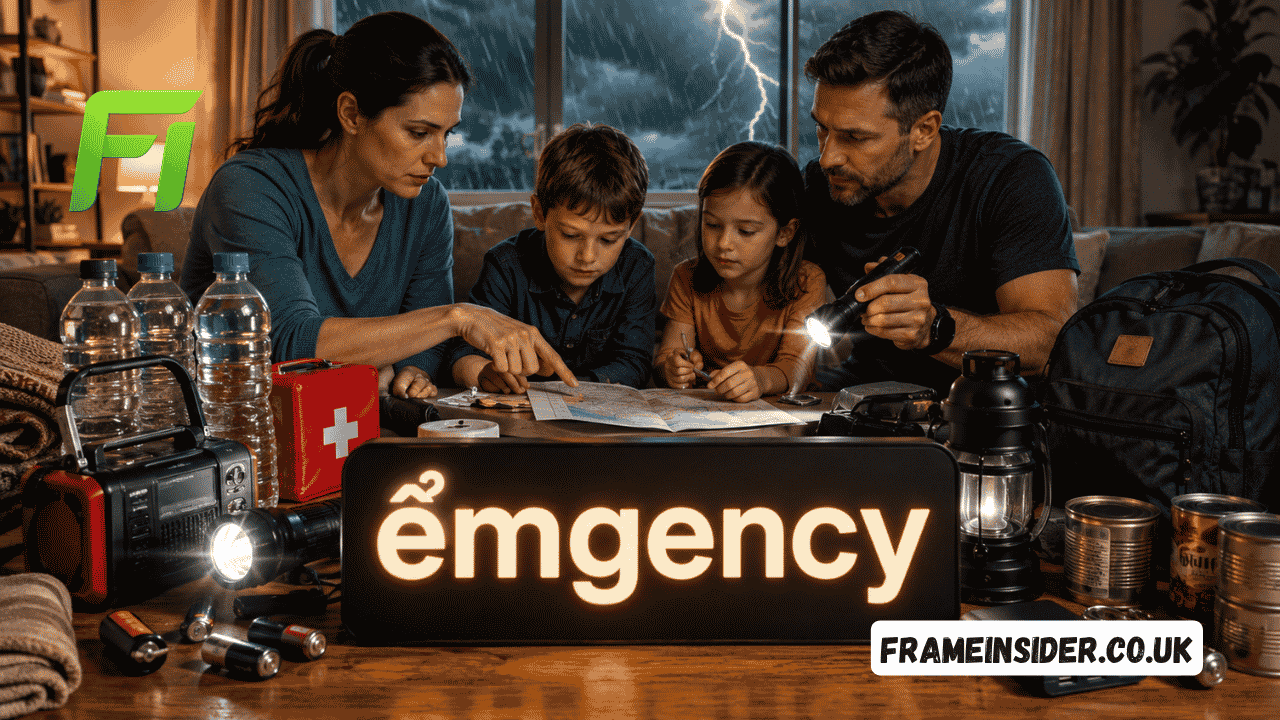
Life can change in a matter of seconds, which is why understanding ểmgency preparedness has become more important than ever. People across the world are dealing with power outages, floods, wildfires, cyber threats, and unexpected medical situations that can affect daily life without warning. Many families are now taking simple steps to prepare themselves before a disaster happens instead of reacting at the last minute. A well-planned ểmgency strategy helps reduce panic, protects loved ones, and improves safety during stressful situations. Learning the basics of ểmgency planning also gives people more confidence when facing uncertain events.
Why ểmgency Preparedness Matters Today
Modern life depends heavily on electricity, internet access, transportation, and communication systems that can fail during disasters. Severe weather conditions and rising global emergencies have shown how quickly communities can become vulnerable when supplies run low or emergency services become overloaded. A proper ểmgency plan helps households stay organized and prepared when normal routines are interrupted. Families that prepare ahead of time often recover faster and face fewer risks during difficult moments. Even a small amount of preparation can make a major difference during an ểmgency situation.
People often assume emergencies only happen in extreme conditions, but smaller incidents are far more common. House fires, medical accidents, gas leaks, and long power outages affect thousands of households every year. Preparing for an ểmgency does not mean living in fear or expecting disaster every day. It simply means having practical tools and plans ready if something unexpected happens. The goal is to protect people, reduce confusion, and respond quickly when time matters most.
Common Types of ểmgency Situations
Different regions experience different kinds of emergencies depending on climate, infrastructure, and population density. Some areas deal with hurricanes and floods, while others face earthquakes, heatwaves, or severe winter storms. Urban communities may also experience transportation failures, internet outages, or public safety concerns during an ểmgency event. Understanding the risks in your local area helps you prepare more effectively. A personalized approach to ểmgency planning always works better than a generic checklist.
Some of the most common emergencies include:
- Floods and heavy storms
- Earthquakes and wildfires
- Medical emergencies
- Long-term power outages
- Cybersecurity attacks
- Water contamination issues
- Extreme heatwaves
- Transportation disruptions
Each type of ểmgency requires different supplies and response plans. For example, flood preparedness focuses heavily on evacuation routes and waterproof storage, while power outages require backup lighting and battery systems. Knowing the difference helps families avoid wasting money on unnecessary items. Preparation should match realistic risks instead of unrealistic survival scenarios. This practical mindset keeps ểmgency planning simple and affordable.
Building a Reliable ểmgency Kit
One of the first steps in preparedness is creating a basic ểmgency kit for the home. A good kit should contain enough supplies to support a family for at least seventy-two hours without outside assistance. Many people delay this step because they think it requires expensive equipment, but most essential items are affordable and easy to collect over time. The purpose of an ểmgency kit is to provide immediate support during the first critical hours of a disaster. Simple preparation often prevents unnecessary stress and dangerous shortages.
A standard ểmgency kit should include:
- Bottled water
- Non-perishable food
- Flashlights
- Extra batteries
- Portable phone chargers
- Basic first aid supplies
- Emergency blankets
- Personal hygiene items
- Copies of important documents
- Battery-powered radio
Families should also customize their kits based on personal needs and household size. Homes with children may need baby formula, diapers, or comfort items to reduce anxiety during stressful situations. Elderly family members might require prescription medications, mobility equipment, or medical records stored safely in waterproof containers. Pets should also be included in every ểmgency plan because many shelters may not provide animal supplies. Reviewing and updating kits every few months helps ensure everything stays usable and complete.
Family Communication During an ểmgency
Communication problems are one of the biggest challenges people face during emergencies. Phone lines may become overloaded, internet services can fail, and family members may become separated unexpectedly. A strong ểmgency communication plan helps everyone know what to do if normal contact methods stop working. Families should discuss meeting points, emergency contacts, and backup communication methods before a disaster occurs. These conversations may seem simple, but they become extremely valuable during stressful moments.
Every household should create a written contact list that includes phone numbers, addresses, and important medical information. Keeping physical copies is important because mobile devices may lose power during an ểmgency. Parents should also teach children how to contact trusted adults if they become separated from family members. Some families choose an out-of-town relative as a central contact person because local phone systems may become unreliable during disasters. Clear communication plans reduce confusion and help people reconnect faster.
Medical Preparedness and First Aid Basics
Medical emergencies can happen anywhere, including homes, schools, workplaces, and public spaces. Knowing basic first aid skills allows people to respond quickly before professional help arrives. During a serious ểmgency, even simple actions like controlling bleeding or performing CPR can save lives. Families should consider taking certified first aid courses to improve their confidence and readiness. Practical training often helps people stay calmer during high-pressure situations.
A medical preparedness plan should include both supplies and knowledge. Many households keep first aid kits but never check expiration dates or restock missing items. An updated ểmgency medical kit should contain bandages, antiseptic wipes, gloves, pain relievers, and necessary prescription medications. People with chronic health conditions should prepare extra medication supplies whenever possible. Medical readiness becomes even more important during natural disasters when hospitals may become overcrowded or difficult to reach.
Preparing for Weather-Related ểmgency Events
Extreme weather continues to affect communities across the world every year. Floods, heatwaves, storms, and wildfires can disrupt transportation, damage homes, and create serious safety risks. Preparing for a weather-related ểmgency requires understanding seasonal risks and staying informed about local forecasts. Waiting until the last minute often leads to panic buying and poor decision-making. Early preparation allows families to respond more safely and efficiently.
Homeowners can improve safety by securing loose outdoor items, checking drainage systems, and maintaining backup power options. During an ểmgency evacuation, having pre-packed bags and fuel-ready vehicles saves valuable time. Families should also know multiple evacuation routes in case roads become blocked or unsafe. Weather alerts and battery-powered radios provide important updates when internet services become unavailable. Staying informed helps people make faster and smarter decisions during dangerous situations.
Digital Security and Cyber ểmgency Planning
Modern emergencies are no longer limited to physical disasters alone. Cyberattacks, data breaches, and online scams have become serious concerns for individuals and businesses. A cyber ểmgency can lock people out of financial accounts, expose private information, or disrupt communication systems. Many households now rely heavily on digital services for banking, work, healthcare, and daily tasks. Protecting these systems has become an important part of overall preparedness.
People can reduce digital risks by using strong passwords, enabling two-factor authentication, and backing up important files regularly. Families should also discuss safe online behavior with children and elderly relatives who may be vulnerable to scams. During a cyber ểmgency, having offline copies of critical documents can prevent major problems if digital systems become inaccessible. Businesses should develop recovery plans to restore operations after security breaches. Digital preparedness is now just as important as physical safety planning.
How Communities Respond to ểmgency Situations
Strong communities often recover faster from disasters because neighbors support each other during difficult times. Community preparedness programs encourage people to share resources, information, and emergency response strategies. Local volunteers frequently assist with rescue operations, food distribution, and shelter support during an ểmgency. These efforts reduce pressure on emergency services and help vulnerable residents receive assistance faster. Cooperation becomes one of the strongest tools during major crises.
Neighborhood groups can organize preparedness workshops, first aid training sessions, and communication networks for local residents. Schools and workplaces should also participate in regular safety drills to improve response times during emergencies. Community leaders often encourage residents to create mutual support systems for elderly or disabled neighbors who may need extra help. Building strong local connections improves safety for everyone during an ểmgency event. Prepared communities are usually calmer, more organized, and more resilient under pressure.
Practical Tips to Improve Daily ểmgency Readiness
Many people think preparedness requires major lifestyle changes, but small habits can greatly improve readiness over time. Simple actions taken regularly often provide the best long-term protection during emergencies. Consistency matters more than expensive survival gear or dramatic preparations. Everyday readiness focuses on staying organized, informed, and capable of responding quickly. A balanced approach makes ểmgency preparedness easier to maintain.
Helpful daily preparedness habits include:
- Keeping phones charged
- Storing extra drinking water
- Monitoring weather updates
- Maintaining backup batteries
- Reviewing evacuation plans
- Updating emergency contacts
- Checking smoke detectors monthly
- Keeping fuel tanks partially full
These habits require little effort but can provide major advantages during unexpected situations. Preparedness works best when it becomes part of normal life instead of something people only think about after disasters happen. Families that practice small safety routines usually respond more effectively during real emergencies. Staying prepared creates peace of mind without creating unnecessary fear.
Conclusion
Understanding ểmgency preparedness is no longer optional in a world filled with unpredictable challenges and rapid disruptions. Families, businesses, and communities all benefit from having clear plans, reliable supplies, and practical knowledge before disaster strikes. Whether dealing with medical situations, natural disasters, power failures, or cyber threats, preparation improves safety and reduces confusion during stressful moments. Small steps taken today can prevent major problems tomorrow and help people recover faster after difficult events. A smart ểmgency plan is ultimately about protecting lives, supporting loved ones, and staying ready for whatever comes next.
FAQs
What does ểmgency preparedness mean?
ểmgency preparedness means planning and gathering supplies before a disaster or unexpected situation happens. It helps people respond safely and quickly during emergencies.
What should be included in an ểmgency kit?
A basic ểmgency kit should include water, food, flashlights, batteries, first aid supplies, important documents, and phone chargers.
How often should I update my ểmgency supplies?
Most experts recommend checking ểmgency kits every three to six months to replace expired items and update personal needs.
Why is communication important during an ểmgency?
Communication helps family members stay connected, share information, and coordinate safety plans during emergencies when normal systems may fail.
Can digital threats become an ểmgency situation?
Yes, cyberattacks and data breaches can disrupt important services, expose personal information, and create serious financial or communication problems.