







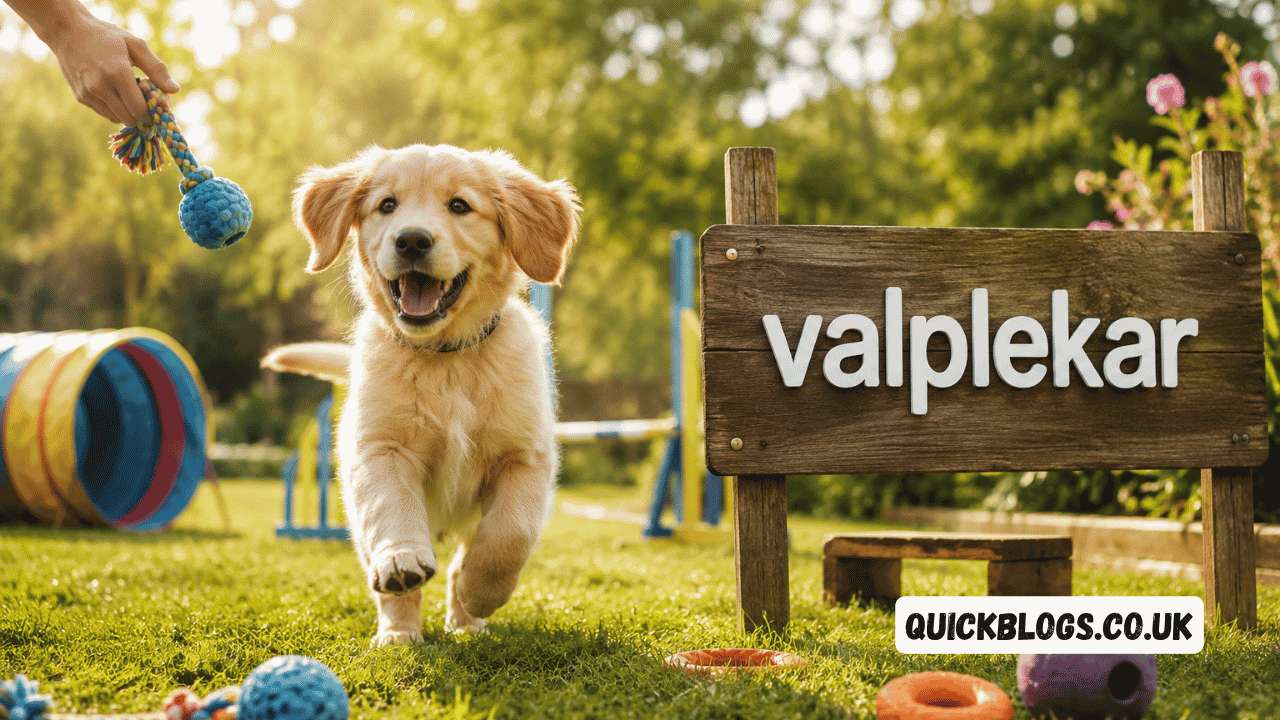
Raising a puppy involves much more than feeding and basic training. Puppies need daily interaction, stimulation, and playful activities that help them grow into healthy and confident dogs. This is where valplekar becomes important. The term valplekar is connected to puppy play and social learning activities that support mental and physical development during the early stages of a dog’s life. Many pet owners are now exploring valplekar as a natural and enjoyable way to teach puppies important behaviors through games and bonding exercises.
Puppies learn quickly during their first months, and playful experiences shape their personality and confidence. Activities connected with valplekar help puppies understand social signals, improve focus, and release energy in a healthy way. Instead of using strict routines alone, many dog owners now combine structured training with playful learning sessions. This approach creates a stronger relationship between pets and owners while also making daily learning more enjoyable. Understanding the role of valplekar can help pet owners create a happier environment for growing puppies.
Understanding the Meaning of Valplekar
The word valplekar comes from Swedish language roots connected to puppies and play. It is commonly associated with playful puppy activities that encourage learning and social interaction. In modern pet care discussions, valplekar is often used to describe games and exercises that improve puppy behavior naturally. These activities are not limited to entertainment because they also support emotional and mental growth. Puppies that experience regular play sessions often become more balanced and easier to train later in life.
Many trainers believe that puppies understand lessons faster when learning happens through play. Valplekar activities encourage curiosity and confidence while reducing fear and anxiety in unfamiliar situations. Puppies that engage in healthy play are usually more active and socially comfortable around humans and other dogs. These playful routines also help owners observe their puppy’s behavior and personality. Over time, consistent valplekar sessions can build trust and improve communication between owner and pet.
Why Valplekar Matters for Puppies
Early puppy development plays a major role in long-term behavior and emotional stability. Puppies that spend too much time inactive or isolated may develop nervous habits or destructive behaviors. Valplekar creates positive experiences that stimulate the brain and body at the same time. These playful moments help puppies learn boundaries, control excitement, and react calmly to new situations. Regular interaction also reduces boredom, which is one of the biggest causes of chewing and excessive barking.
Puppies naturally learn through exploration and interaction. Valplekar gives them a safe and controlled environment where learning feels rewarding instead of stressful. Games involving movement, rewards, and social interaction teach puppies to focus while also building confidence. Dog owners who include playful routines often notice faster learning and improved responsiveness. This makes valplekar a valuable part of everyday puppy care.
Some important benefits of valplekar include:
- Better social behavior with people and animals
- Improved mental stimulation and focus
- Reduced anxiety and boredom
- Stronger emotional connection with owners
- Healthier physical activity levels
- Easier transition into formal training
How Valplekar Supports Mental Development
Mental stimulation is just as important as physical exercise for puppies. A young dog’s brain develops rapidly during the first months of life, and playful learning activities help support that growth. Valplekar introduces puppies to problem-solving situations that improve memory and concentration. Interactive games encourage curiosity and teach puppies to respond to sounds, movement, and commands. Puppies that receive mental stimulation regularly are often calmer and more adaptable in daily situations.
Games that involve searching, finding objects, or following simple instructions are excellent examples of valplekar. These activities challenge the puppy’s thinking abilities while also providing excitement and reward. Puppies quickly learn to connect actions with positive outcomes, which improves training results later. Mental stimulation also helps reduce stress because puppies stay engaged and active throughout the day. A stimulated puppy is less likely to develop destructive habits inside the home.
Physical Benefits of Valplekar Activities
Physical activity is essential for growing puppies because it supports muscle development, coordination, and overall health. Valplekar encourages movement through games that involve running, jumping, and playful interaction. Puppies need controlled exercise that matches their age and energy level, and playful routines provide a safe way to achieve that balance. Active puppies usually maintain healthier body weight and stronger physical endurance. These activities also improve flexibility and balance during important growth stages.
Unlike repetitive exercise, valplekar keeps puppies interested because the activities constantly change. This prevents boredom and encourages natural movement patterns. Games involving chasing toys, gentle tug activities, and obstacle challenges help puppies stay physically active without becoming overstimulated. Short but consistent play sessions are usually more effective than long periods of exercise. Owners who regularly engage in valplekar often notice improved energy control and healthier sleep routines in their puppies.
Popular Valplekar Games for Puppies
There are many ways to introduce valplekar into a puppy’s daily routine. The best games are simple, safe, and designed around the puppy’s age and personality. Some puppies enjoy active games while others prefer slower activities that involve scent or problem-solving challenges. Variety is important because it keeps the puppy interested and mentally engaged. Mixing different activities also prevents repetitive habits and improves overall learning.
Popular valplekar activities include:
- Hide-and-seek with treats or toys
- Gentle fetch games indoors or outdoors
- Short obstacle courses using household items
- Tug games with soft puppy-safe ropes
- Name recognition games
- Recall practice using rewards
- Scent tracking exercises
These games encourage interaction while teaching useful behaviors naturally. Puppies often learn commands faster when training feels playful instead of repetitive. Valplekar also allows owners to spend quality time with their pets while observing their strengths and personality traits.
Social Learning Through Valplekar
Social interaction is a major part of puppy development. Puppies must learn how to communicate with humans and other animals in a calm and balanced way. Valplekar creates opportunities for positive social experiences that help puppies become more comfortable in different environments. Puppies that engage in healthy play sessions often develop better emotional control and fewer fear-based reactions. Social learning also reduces aggressive behavior later in life.
Play sessions with other vaccinated puppies can teach valuable communication skills. Puppies learn bite control, body language, and respectful interaction during these moments. Valplekar also teaches puppies how to react when excitement levels increase. This helps them remain calmer in crowded or unfamiliar situations. Consistent social exposure during early development usually leads to more confident adult dogs.
Common Mistakes During Valplekar Sessions
While valplekar offers many benefits, some mistakes can reduce its effectiveness. One common issue is overstimulation caused by long or intense play sessions. Puppies can become overly excited and struggle to calm down afterward. Another mistake is using games that encourage rough behavior or excessive jumping. Play should always remain controlled and safe for the puppy’s age and physical condition.
Many owners also ignore rest periods between activities. Puppies need regular breaks because their bodies and minds are still developing. Overtraining during valplekar sessions can lead to stress and exhaustion instead of positive learning experiences. Consistency is more important than intensity when building routines for young dogs. Keeping sessions short and enjoyable usually produces better long-term results.
Important things to avoid include:
- Extremely rough games
- Long periods without rest
- Unsafe toys or objects
- Punishment during playtime
- Overcrowded play environments
- Forcing shy puppies into stressful situations
Creating a Daily Valplekar Routine
A structured routine helps puppies feel secure and balanced throughout the day. Valplekar does not require complicated planning because even simple activities can produce strong results when practiced consistently. Puppies respond well to predictable schedules that combine play, feeding, rest, and short training sessions. Creating a routine also helps owners manage puppy energy levels more effectively. Balanced schedules prevent overstimulation while keeping puppies mentally engaged.
Morning play sessions can help puppies release energy before resting periods. Afternoon activities are ideal for short training games and social interaction. Evening valplekar sessions should remain calm and relaxed to help puppies settle before bedtime. Consistent routines make learning easier because puppies understand what to expect during the day. Over time, these habits support healthier behavior and emotional stability.
The Growing Popularity of Valplekar
The idea behind valplekar has become increasingly popular among modern dog owners because it focuses on natural learning methods. Many pet owners now prefer positive reinforcement and playful interaction instead of strict correction-based training. Social media and pet communities have also helped spread awareness about puppy enrichment activities connected to valplekar. Owners are becoming more interested in understanding how play influences emotional and behavioral development. This shift has encouraged more people to create healthier environments for young dogs.
Veterinarians and trainers often recommend mentally stimulating games as part of responsible puppy care. Valplekar supports this approach by combining fun, learning, and exercise into one routine. Puppies that experience positive early development usually adapt better to new environments and challenges later in life. As more owners recognize these benefits, valplekar continues gaining attention within modern pet care discussions.
Conclusion
Valplekar represents more than simple puppy entertainment because it combines learning, exercise, and emotional development into daily routines. Puppies need mental stimulation, physical activity, and positive social experiences during their early growth stages. Through valplekar, owners can teach useful behaviors while building trust and confidence naturally. These playful activities improve focus, reduce boredom, and encourage healthier emotional development. Simple games and structured interaction can make a major difference in a puppy’s long-term behavior and well-being.
Creating a balanced valplekar routine does not require expensive tools or professional training experience. Consistency, patience, and safe activities are usually enough to support healthy puppy growth. Puppies that experience regular playful learning often become calmer, more social, and easier to train. As awareness about positive puppy development continues growing, valplekar is becoming an important part of modern pet care and responsible dog ownership.
FAQs
What does valplekar mean?
Valplekar is commonly associated with puppy play and learning activities that support mental, physical, and social development in young dogs.
Why is valplekar important for puppies?
Valplekar helps puppies build confidence, improve social behavior, reduce boredom, and develop healthy learning habits through play.
How often should puppies participate in valplekar activities?
Most puppies benefit from short daily valplekar sessions combined with rest periods and regular routines.
Can valplekar improve puppy training?
Yes, valplekar can make training more effective because puppies often learn faster when activities feel rewarding and enjoyable.
What types of games are included in valplekar?
Common valplekar activities include fetch games, scent challenges, hide-and-seek, recall practice, and interactive toy exercises.