








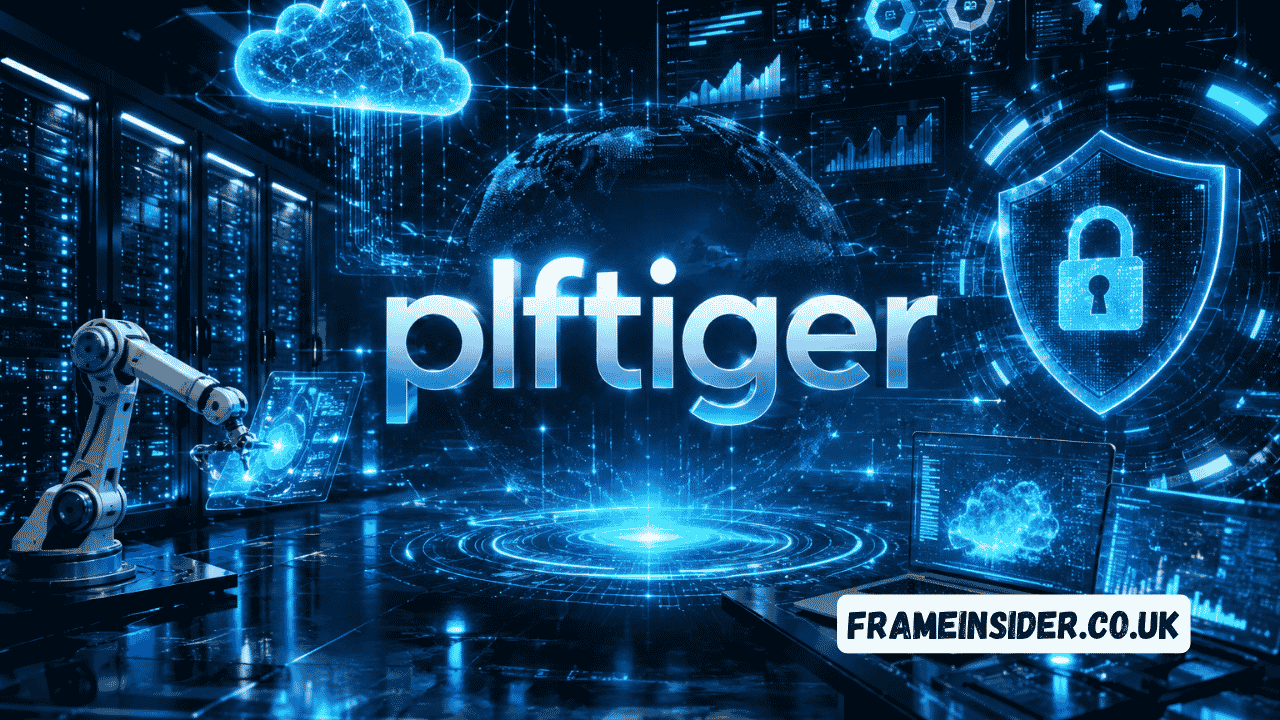
Technology is changing the way companies manage security, automation, and data processing. Businesses no longer rely only on traditional software because modern operations demand faster systems that can handle large amounts of information without delays. This is where plftiger has started gaining attention in the digital world. The concept behind plftiger focuses on combining automation, artificial intelligence, cloud systems, and cybersecurity into one connected structure. Many businesses and tech professionals are now exploring how plftiger can improve efficiency, reduce manual work, and support smarter digital operations.
Understanding the Core Meaning of plftiger
The term plftiger is often connected with modern digital infrastructure and intelligent automation systems. It is described as a framework that helps organizations manage complex digital operations with greater speed and accuracy. Instead of using separate tools for analytics, security, and automation, plftiger aims to connect these functions within a single system. This approach makes it easier for businesses to manage workflows and improve operational performance.
Many discussions around plftiger focus on its flexibility and ability to support different industries. Companies dealing with cloud computing, big data, and cybersecurity see value in systems that reduce operational gaps. plftiger is also associated with predictive technology that helps businesses analyze data and respond to changes quickly. As digital transformation continues to grow, concepts like plftiger are becoming more relevant in business planning and technology development.
Why plftiger Is Becoming Popular
The growing popularity of plftiger is linked to the increasing demand for automation and smart digital management. Businesses want systems that save time, improve security, and support faster decision-making. Traditional methods often require multiple platforms that work separately, which can create delays and management issues. plftiger offers a more connected structure that helps organizations simplify operations and reduce technical complexity.
Another reason behind the rise of plftiger is the rapid growth of cloud-based services. Many businesses now operate remotely or depend heavily on digital systems to manage customers, employees, and data. A connected framework helps companies maintain smoother workflows while keeping their systems secure. Because of this, plftiger is gaining attention among startups, software developers, and enterprise-level organizations.
Main Technologies Connected With plftiger
Several modern technologies play an important role in the structure of plftiger. These technologies help businesses improve automation, security, and data analysis without depending on outdated systems. The framework combines multiple digital functions into a more organized environment that supports scalability and efficiency.
Some important technologies linked with plftiger include:
- Artificial intelligence for predictive analysis
- Cloud computing for scalable storage and operations
- Automation systems for workflow management
- Cybersecurity tools for protection against threats
- Real-time analytics for better decision-making
- Data management systems for handling large information sets
The combination of these technologies allows plftiger to support modern business needs more effectively. Companies can process information faster while maintaining stronger security standards across their operations.
How plftiger Supports Automation
Automation has become one of the biggest priorities for businesses trying to improve productivity and reduce operational costs. plftiger helps support automation by reducing the need for manual processes in repetitive tasks. Businesses can automate data collection, reporting, customer management, and system monitoring without requiring constant human involvement. This saves time and allows employees to focus on more important business activities.
One major advantage of plftiger is its ability to connect automation with real-time data analysis. Instead of waiting for reports or manual reviews, organizations can receive instant updates and insights. This creates faster decision-making and improves workflow management across departments. As industries continue moving toward digital operations, automation systems connected with plftiger may become even more important in the future.
Areas Where Automation Helps Businesses
Automation supported by plftiger can improve different areas of business operations, including:
- Customer service management
- Data processing and analysis
- Security monitoring
- Marketing campaigns
- Inventory tracking
- Workflow scheduling
These improvements can help businesses reduce errors while improving overall efficiency and performance.
The Role of Cybersecurity in plftiger
Cybersecurity remains one of the biggest concerns for businesses operating online. Companies store large amounts of sensitive information, including customer data, financial records, and internal documents. plftiger is often connected with systems that strengthen security while maintaining smooth digital operations. This makes cybersecurity an important part of the framework.
Modern cyber threats continue becoming more advanced, which forces organizations to adopt smarter protection systems. plftiger supports security through automated monitoring, threat detection, and data management processes. Businesses can identify unusual activities faster and respond before major damage occurs. This level of protection is especially valuable for industries that handle sensitive information every day.
Important Security Features Associated With plftiger
Many discussions around plftiger mention security-related functions such as:
- Real-time threat detection
- Automated security monitoring
- Data encryption systems
- User access management
- Cloud security integration
- Risk analysis and reporting
These features help businesses create safer digital environments while reducing the risk of cyberattacks and data breaches.
How plftiger Works With Cloud Computing
Cloud computing has changed the way organizations store and manage information. Instead of relying entirely on physical servers, companies now use online infrastructure to handle data and applications. plftiger works well with cloud systems because both focus on scalability, flexibility, and digital accessibility. This connection allows businesses to expand operations without major infrastructure limitations.
Cloud integration also improves collaboration and remote access. Employees can access information from different locations while maintaining secure communication and workflow management. plftiger supports these processes by connecting cloud operations with automation and security tools. As more companies move toward cloud-based environments, frameworks like plftiger may continue growing in importance.
Industries That Can Benefit From plftiger
Different industries can use plftiger to improve operations and manage digital systems more effectively. Since the framework combines automation, analytics, and cybersecurity, it can support both small businesses and large enterprises. Organizations handling large volumes of data may especially benefit from smarter processing systems and real-time monitoring tools.
Industries that may benefit from plftiger include:
- Healthcare organizations
- Financial technology companies
- Software development firms
- Marketing agencies
- Government departments
- E-commerce businesses
- Data analytics companies
Each of these industries faces growing pressure to improve efficiency while protecting sensitive information. plftiger provides a structure that supports both goals at the same time.
Benefits of Using plftiger in Business Operations
Businesses exploring digital transformation often look for systems that improve speed and reduce complexity. plftiger offers several advantages that make it attractive for organizations dealing with large-scale operations and digital workflows. The framework supports smarter management without requiring companies to rely on disconnected software tools.
Some major benefits of plftiger include:
- Faster workflow management
- Better security monitoring
- Improved data analysis
- Reduced manual work
- Scalable cloud integration
- Stronger operational efficiency
These advantages help organizations improve productivity while adapting to changing digital demands. Businesses can also respond faster to market trends and operational challenges.
Challenges Businesses May Face With plftiger
Although plftiger offers many advantages, some businesses may still face challenges during implementation. New digital systems often require proper planning, technical knowledge, and employee training. Organizations that rely heavily on older infrastructure may need time to adjust to modern automation processes. This transition can create temporary difficulties during the early stages.
Cost is another important factor for businesses considering advanced digital frameworks. Some organizations may need to invest in cloud infrastructure, cybersecurity tools, and technical support before fully implementing plftiger systems. Smaller businesses with limited budgets may find the transition slower compared to larger companies. Despite these challenges, many organizations still see long-term value in adopting smarter digital operations.
The Future Potential of plftiger
The future of plftiger looks connected to the continued growth of automation, artificial intelligence, and cloud technology. Businesses are moving toward systems that support faster communication, real-time analytics, and stronger cybersecurity protection. As digital transformation continues across industries, frameworks like plftiger may become more common in enterprise environments. Companies that adapt early could gain competitive advantages through better efficiency and smarter operations.
The demand for integrated digital systems is likely to increase in the coming years. Organizations want technology that reduces complexity while improving scalability and performance. plftiger fits this demand because it combines multiple functions into a connected framework. As more businesses focus on automation and intelligent systems, the role of plftiger may continue expanding in the technology industry.
Conclusion
plftiger is gaining attention as a modern approach to automation, cybersecurity, cloud integration, and data management. Businesses today need systems that support fast operations while maintaining strong security and efficiency. The concept behind plftiger focuses on connecting different technologies into one organized structure that improves digital workflows and reduces operational complexity. This makes it valuable for industries dealing with large amounts of information and growing technological demands.
As companies continue investing in smarter systems, plftiger may become an important part of future digital infrastructure. Its ability to combine automation, analytics, and security creates opportunities for businesses looking to improve performance and scalability. While some implementation challenges still exist, the long-term benefits may outweigh the initial difficulties. The growing interest around plftiger shows that connected digital frameworks are becoming more important in the modern technology landscape.
FAQs
What is plftiger?
plftiger is described as a digital framework that combines automation, cybersecurity, cloud systems, and data analytics into one connected structure.
Why is plftiger becoming popular?
plftiger is gaining popularity because businesses want faster automation, better security, and more efficient digital management systems.
Which industries can use plftiger?
Industries such as healthcare, fintech, software development, e-commerce, and government services can benefit from plftiger systems.
Does plftiger support cybersecurity?
Yes, plftiger is often associated with real-time monitoring, automated threat detection, and secure cloud integration for better cybersecurity management.
What are the main benefits of plftiger?
The main benefits of plftiger include automation support, improved workflow management, stronger security, better scalability, and faster data processing.