









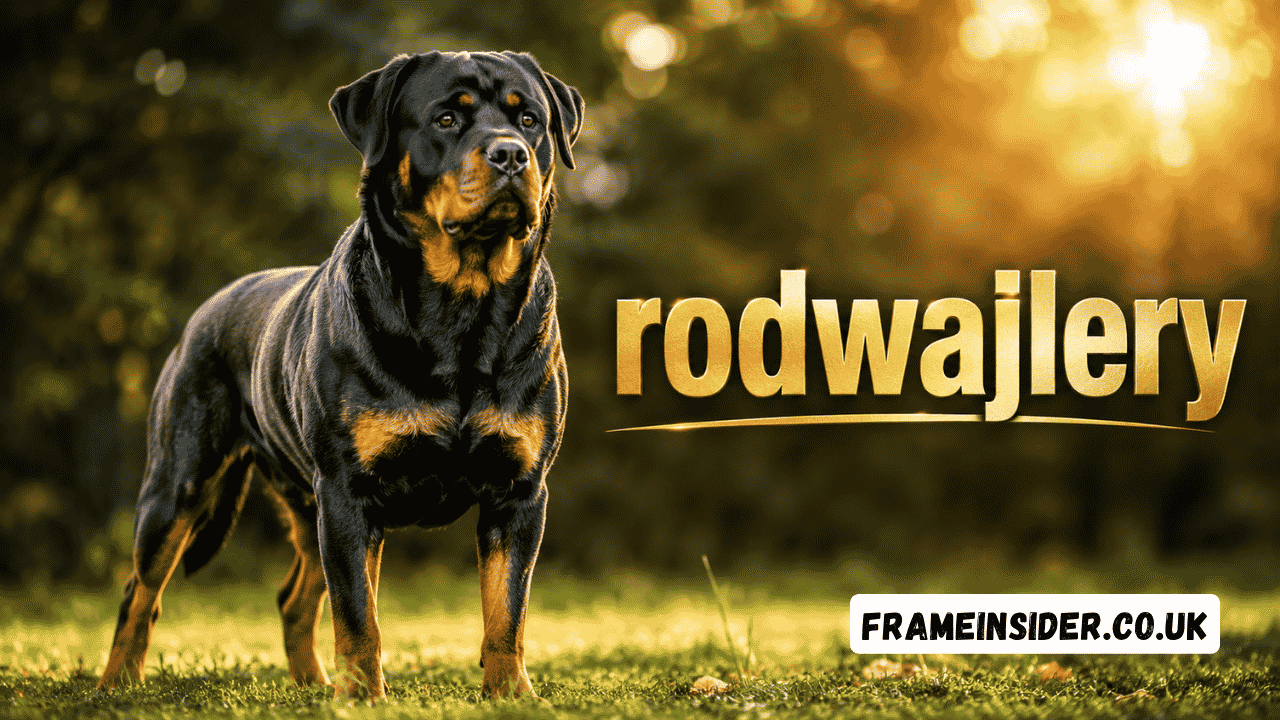
Rodwajlery are known for their strong appearance, loyal personality, and protective nature. Many dog lovers admire this breed because of its intelligence and confidence around people they trust. Although some people consider them aggressive, the truth is that proper training and socialization play a huge role in shaping their behavior. Families who understand the needs of rodwajlery often describe them as calm, loving, and dependable companions. Their history as working dogs also explains why they are active, alert, and highly responsive to commands.
History and Origin of Rodwajlery
Rodwajlery have a long history that traces back to Germany, where they were originally used as working dogs. Their ancestors were connected to Roman cattle-driving dogs that traveled with armies and protected livestock during long journeys. Over time, these dogs became useful for farmers and butchers in the German town of Rottweil, which later inspired the breed’s name. They helped move cattle, guarded property, and even pulled carts loaded with meat and supplies. Because of their strength and discipline, rodwajlery became trusted companions for difficult tasks.
As industrial transportation changed the farming industry, the role of these dogs also changed. Many owners began training them for police work, guarding, and rescue operations. Their intelligence made them suitable for jobs that required focus and courage under pressure. Today, rodwajlery are still widely respected as working dogs while also becoming popular family pets in many countries. Their history explains why they naturally carry a protective instinct and a strong sense of loyalty toward their owners.
Physical Appearance and Body Structure
Rodwajlery are large and muscular dogs with a powerful build that immediately attracts attention. Their broad chest, strong legs, and solid body structure give them a confident and commanding appearance. Most of them have a short black coat with clear brown markings around the face, chest, and legs. Their coat is easy to maintain compared to many long-haired breeds, which makes grooming less complicated for owners. Despite their heavy appearance, rodwajlery can move quickly and smoothly when properly trained and exercised.
Male rodwajlery are usually larger than females and often weigh significantly more. Their strong jaws and thick neck contribute to their reputation as effective guard dogs. However, their appearance should not be confused with aggression because many well-trained dogs behave gently around children and family members. Their physical strength simply reflects their working background and breeding history. A healthy diet and regular exercise help maintain their body condition and overall health.
Personality and Temperament of Rodwajlery
Rodwajlery are known for being loyal, protective, and deeply attached to their families. They often develop strong bonds with the people they live with and may become very defensive if they sense danger nearby. This protective behavior is one reason why many people choose them as guard dogs for homes and farms. At the same time, they can also be affectionate and calm when raised in a stable environment. Owners who spend time training and socializing rodwajlery usually notice balanced and confident behavior.
Their temperament depends heavily on how they are raised from an early age. Dogs that receive proper socialization often grow into friendly and obedient companions. On the other hand, lack of training can create stubborn or territorial behavior that becomes difficult to manage later. Rodwajlery are intelligent and usually understand commands quickly, but they need firm and consistent leadership from their owners. Harsh treatment or neglect can negatively affect their attitude and trust.
Some common personality traits of rodwajlery include:
- Strong loyalty toward family members
- High intelligence and awareness
- Protective instincts around strangers
- Confidence and courage in stressful situations
- Calm behavior when properly trained
Training and Socialization Requirements
Training is one of the most important parts of raising rodwajlery successfully. Because they are intelligent and physically powerful, owners must establish discipline and structure early. Basic obedience training should begin during puppyhood to help them learn commands and household behavior. Positive reinforcement methods usually work best because these dogs respond well to praise and rewards. Consistency during training sessions helps rodwajlery understand expectations clearly.
Socialization is equally important for preventing fear-based or territorial behavior. Introducing puppies to different people, environments, and animals helps them become more comfortable in unfamiliar situations. Dogs that stay isolated during their early months may become overly suspicious or anxious later in life. Regular walks and supervised interactions improve their confidence and emotional balance. Training should continue throughout adulthood to maintain obedience and mental stimulation.
Useful training habits include:
- Starting obedience lessons early
- Rewarding calm and positive behavior
- Avoiding aggressive punishment methods
- Providing daily mental stimulation
- Practicing commands consistently
Daily Exercise and Activity Needs
Rodwajlery are energetic dogs that require regular exercise to stay healthy and balanced. Without enough physical activity, they may develop boredom, frustration, or destructive behavior inside the house. Daily walks, play sessions, and outdoor activities help them release energy in a healthy way. These dogs also enjoy activities that challenge their intelligence, such as obedience games or agility exercises. Active owners usually find rodwajlery easier to manage because the dogs remain mentally satisfied.
A lack of exercise can contribute to weight gain and health problems over time. Since rodwajlery have strong muscles and heavy bodies, staying active is important for maintaining joint health and flexibility. Many owners enjoy taking them hiking, jogging, or swimming because they naturally enjoy physical challenges. Mental exercise is just as valuable as physical activity because intelligent dogs need stimulation to avoid boredom. A healthy routine improves both behavior and overall quality of life.
Feeding and Nutritional Care
Rodwajlery need a balanced diet that supports their muscular build and active lifestyle. High-quality protein plays an important role in maintaining strong muscles and healthy body function. Puppies require special nutrition during growth stages to support bone development and energy levels. Adult dogs benefit from controlled portions that prevent obesity and reduce stress on the joints. Fresh water should always be available, especially after exercise and outdoor activity.
Owners should avoid overfeeding because rodwajlery can gain weight quickly if their diet is poorly managed. Excess weight may increase the risk of joint problems and heart-related conditions later in life. Some dogs may also develop food sensitivities, which means owners should monitor their reactions to certain ingredients carefully. Healthy treats can be used during training, but moderation is important. A proper feeding schedule supports long-term health and energy balance.
Important nutrition tips for rodwajlery include:
- Choose protein-rich dog food
- Avoid excessive table scraps
- Maintain regular feeding times
- Monitor weight regularly
- Provide fresh water every day
Common Health Problems in Rodwajlery
Like many large dog breeds, rodwajlery can experience specific health conditions during their lifetime. Hip dysplasia is one of the most common problems and may affect mobility as the dog ages. Elbow dysplasia and joint discomfort can also develop due to their heavy body structure. Some dogs may suffer from heart conditions or bone-related diseases that require medical attention. Regular veterinary checkups help detect these issues early and improve treatment outcomes.
Another serious condition linked to large breeds is gastric torsion, often called bloat. This condition can become life-threatening if not treated quickly, which is why owners should understand the warning signs. Maintaining a healthy diet and proper exercise routine may reduce some health risks. Responsible breeding also plays a major role in lowering the chances of inherited diseases. Caring for rodwajlery properly increases the likelihood of a longer and healthier life.
Are Rodwajlery Good Family Dogs?
Rodwajlery can become excellent family dogs when raised with care and proper training. They are often gentle with children they know and naturally protective of family members. Their loyal nature creates strong emotional connections within the household, which many owners appreciate deeply. Families who spend time exercising and training their dogs usually experience calm and affectionate behavior at home. These dogs enjoy being involved in daily family activities and dislike long periods of isolation.
However, rodwajlery are not ideal for every household. Inexperienced owners may struggle with their strength and stubbornness if training is inconsistent. Small living spaces without regular outdoor activity can also create stress for active dogs. Families considering this breed should understand the responsibility involved before bringing one home. With patience and structure, rodwajlery can become dependable companions for many years.
Conclusion
Rodwajlery are powerful, intelligent, and deeply loyal dogs with a long history as working companions. Their protective instincts and confident personality make them popular among owners looking for both security and companionship. At the same time, they require responsible training, socialization, and daily exercise to develop balanced behavior. Families who invest time in proper care often discover that rodwajlery are affectionate and trustworthy pets rather than aggressive animals. Understanding their needs, personality, and health requirements is the key to building a strong and lasting relationship with this remarkable breed.
FAQs
1. What does rodwajlery mean?
Rodwajlery is a variation of the word Rottweiler, which refers to a powerful working dog breed originally developed in Germany.
2. Are rodwajlery dangerous dogs?
Rodwajlery are not naturally dangerous when properly trained and socialized. Their behavior depends heavily on upbringing and owner responsibility.
3. How much exercise do rodwajlery need?
Rodwajlery usually need at least 60 to 90 minutes of exercise daily to stay physically and mentally healthy.
4. Are rodwajlery suitable for families?
Yes, rodwajlery can be excellent family dogs when raised with proper training, structure, and social interaction.
5. What are common health issues in rodwajlery?
Common health concerns include hip dysplasia, elbow dysplasia, obesity, heart conditions, and gastric torsion.