








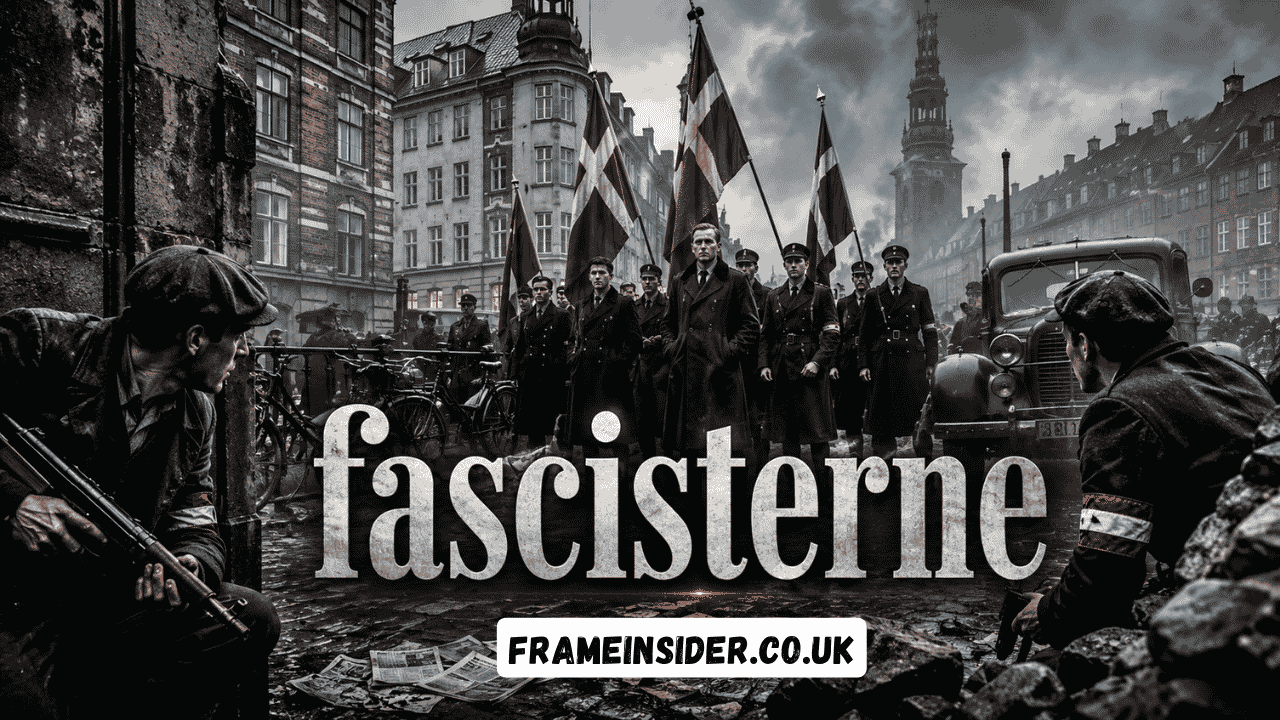
The term fascisterne holds an important place in European political history, especially in discussions about Denmark during the Second World War. The word comes from Danish language usage and translates to “the fascists” in English. It was commonly used to describe individuals and political groups that supported fascist ideology and admired the authoritarian movements growing across Europe during the 1930s and 1940s. While fascism became powerful in countries like Germany and Italy, Denmark experienced a very different path. The history of fascisterne in Denmark reveals how political extremism attempted to grow in Scandinavia but struggled against democratic traditions and public resistance.
Understanding the Meaning of Fascisterne
The word fascisterne became widely known during the period when fascist political movements were spreading across Europe. Fascism itself was an authoritarian political system that promoted nationalism, centralized power, and strict control over society. Supporters of fascism believed strong leadership could solve economic and political problems that many European nations faced after World War I. In Denmark, fascisterne referred to people connected to fascist and Nazi-inspired political groups. These movements tried to influence Danish society by promoting nationalism and admiration for Germany’s political direction.
The growth of fascisterne in Denmark was heavily influenced by political events taking place in neighboring countries. Adolf Hitler’s rise in Germany encouraged smaller fascist groups throughout Europe to organize and recruit supporters. Danish fascists believed their country needed stronger leadership and a more nationalistic political structure. However, most Danish citizens remained skeptical of extremist political movements. Denmark already had stable democratic institutions, which made it difficult for fascisterne to gain widespread support.
The Origins of Fascism in Europe
Fascism first appeared in Italy under Benito Mussolini after World War I. Europe faced severe economic struggles, unemployment, and political instability during the 1920s. Many people lost confidence in democratic governments and began searching for stronger political alternatives. Fascist leaders used fear, nationalism, and promises of stability to attract supporters. Their movements often targeted political opponents and restricted civil freedoms once they gained power.
Several factors contributed to the spread of fascism across Europe:
- Economic depression and unemployment
- Fear of communist revolutions
- National humiliation after World War I
- Political violence and instability
- Strong propaganda campaigns
These conditions created an environment where extremist groups could gain attention. Fascisterne in Denmark borrowed many ideas from these European movements, especially from Germany’s Nazi Party. Even though fascist ideas spread quickly in some countries, Denmark’s political culture remained more resistant than many other parts of Europe.
Fascisterne and the Danish Nazi Movement
The most important fascist organization in Denmark was the DNSAP, short for the National Socialist Workers’ Party of Denmark. The party was formed in the early 1930s and openly supported Adolf Hitler and Nazi Germany. Frits Clausen became one of the leading figures connected to fascisterne and worked hard to expand fascist influence within Danish politics. The party used rallies, propaganda, and political campaigns to attract supporters. Despite these efforts, the DNSAP never became a major political force in Denmark.
Many Danish citizens viewed fascisterne with suspicion because of their close relationship with Nazi Germany. Denmark had a long tradition of parliamentary democracy, and most people preferred political compromise over authoritarian rule. Even during times of economic difficulty, Danish voters largely rejected extremist political solutions. The fascisterne movement remained relatively small compared to fascist organizations in Germany and Italy. Its limited popularity became even more visible during elections, where the party struggled to win meaningful support.
How German Occupation Changed Denmark
Germany invaded Denmark on April 9, 1940, during World War II. The Danish government surrendered quickly because military resistance would likely have caused heavy destruction and civilian casualties. German occupation changed daily life across Denmark and placed enormous pressure on the political system. During this period, fascisterne believed their influence might finally grow stronger under German control. Some fascist supporters hoped Denmark would become more aligned with Nazi ideology.
The occupation period created tension between collaboration and resistance inside Denmark. While some individuals cooperated with German authorities, many Danes secretly opposed the occupation. Resistance groups began organizing sabotage missions, underground newspapers, and intelligence operations against the Nazis. Fascisterne often faced criticism because many people associated them with foreign control rather than national loyalty. As the war continued, public distrust toward fascist supporters increased significantly.
Why Fascisterne Failed to Gain Major Power
One of the most interesting parts of Danish history is why fascisterne never became dominant despite German occupation. Several social and political factors prevented fascism from taking deep root in Denmark. Danish society had strong democratic traditions that encouraged political discussion and compromise rather than authoritarian leadership. Citizens generally trusted democratic institutions and did not see dictatorship as a solution to national problems. This created a major obstacle for fascist political movements.
There were several important reasons behind the failure of fascisterne:
- Strong democratic culture
- Public distrust of authoritarian politics
- Effective labor unions and social institutions
- Resistance movements during the occupation
- Limited support outside small political circles
These factors helped Denmark avoid the kind of political transformation seen in Germany and Italy. Fascisterne remained isolated because they could not convince the majority of the population that fascism offered a better future. Even under occupation, democratic values continued to shape public opinion across Denmark.
The Role of Danish Resistance Groups
Resistance movements played a major role in weakening the influence of fascisterne during World War II. At first, resistance activities were relatively limited because the Danish government hoped cooperation would protect civilians from violence. Over time, however, resistance efforts became stronger as German control intensified. Underground organizations distributed illegal newspapers, sabotaged railways, and helped Jewish families escape to Sweden. These actions strengthened national unity against Nazi influence.
Many resistance fighters viewed fascisterne as supporters of foreign oppression rather than defenders of Denmark. This damaged the public reputation of fascist organizations even further. Ordinary citizens often admired resistance members because they symbolized courage and independence during a difficult period. By the end of the war, fascisterne had lost much of the limited political credibility they once possessed. Their connection to Nazi Germany became impossible to separate from the crimes and destruction of the war.
Fascisterne Compared With Fascism in Germany and Italy
Fascism developed differently in each European country where it appeared. Germany and Italy experienced major political upheaval, economic collapse, and social instability that helped fascist leaders gain power. In contrast, Denmark maintained stronger political institutions and social stability during the same period. Fascisterne never managed to create the mass political movement seen in Nazi Germany. Their influence remained small and often depended on German occupation for visibility.
There were also cultural differences that affected the growth of fascism in Denmark. Danish society placed greater emphasis on cooperation, welfare policies, and democratic participation. Citizens were generally less attracted to militaristic nationalism and political violence. Fascisterne attempted to promote authoritarian ideas, but those ideas conflicted with the values held by much of the Danish population. This explains why fascism remained far weaker in Denmark compared to central European countries.
The Lasting Impact of Fascisterne on Danish History
Although fascisterne never gained major political control, their presence still left an important mark on Danish history. The period forced Denmark to confront questions about democracy, national identity, and political extremism. Historians continue studying how fascist ideas entered Danish politics and why they ultimately failed. The experience also strengthened public awareness about the dangers of authoritarian movements. Modern discussions about democracy in Denmark often reference lessons learned during World War II.
Today, the history of fascisterne serves as a reminder of how political fear and economic uncertainty can create support for extremist ideologies. It also shows the importance of democratic institutions and public resistance in protecting civil freedoms. Denmark’s experience demonstrates that extremist movements do not automatically succeed, even during periods of occupation and crisis. Public unity and democratic values played a major role in preventing fascism from dominating Danish society.
Lessons Modern Society Can Learn From Fascisterne
The story of fascisterne remains relevant because many societies still face political polarization and extremist movements. Economic problems, social frustration, and fear can still push people toward radical political ideas. Studying the rise and decline of fascism helps modern readers understand how propaganda and authoritarian movements operate. It also highlights the importance of protecting democratic institutions and encouraging political participation. History often repeats itself when societies ignore past warnings.
Several lessons can be learned from the history of fascisterne:
- Democracy requires active public participation
- Extremist movements often grow during crises
- Propaganda can influence public opinion quickly
- Political freedoms should never be taken for granted
- Resistance against authoritarianism matters
These lessons continue to shape political discussions across Europe today. The Danish experience offers an example of how democratic culture can limit the spread of extremist ideologies even during difficult times.
Conclusion
The history of fascisterne reveals an important chapter in Denmark’s political past. While fascist ideology spread across Europe during the early twentieth century, Denmark responded differently from countries like Germany and Italy. Fascisterne attempted to build political influence through nationalism and support for Nazi Germany, but democratic traditions and public resistance limited their success. The occupation of Denmark during World War II increased tensions and strengthened resistance movements that opposed authoritarian rule. By the end of the war, fascisterne had lost most of their political influence and public support.
The story remains important because it demonstrates how democratic values can survive even during periods of crisis and occupation. Denmark’s experience shows that political extremism does not succeed automatically when societies remain committed to freedom, cooperation, and public accountability. The legacy of fascisterne continues to serve as a warning about the dangers of authoritarian politics and the importance of defending democratic institutions.
FAQs
What does fascisterne mean?
Fascisterne is a Danish word that translates to “the fascists” in English. It was commonly used to describe fascist supporters and political groups in Denmark during the 1930s and 1940s.
Who led the fascisterne movement in Denmark?
Frits Clausen was one of the main leaders connected to the Danish fascist movement and the DNSAP political party.
Did fascisterne ever gain power in Denmark?
No, fascisterne never gained major political power in Denmark. Most Danish citizens continued supporting democratic institutions instead of fascist ideology.
How did World War II affect fascisterne?
German occupation during World War II briefly increased visibility for fascisterne, but resistance movements and public opposition eventually weakened their influence.
Why is the history of fascisterne important today?
The history of fascisterne helps people understand the dangers of authoritarian politics and the importance of protecting democracy during times of crisis.